Four Asian New Zealanders who once struggled in silence took center stage at the Asian Mental Health & Wellbeing Summit 2026, sharing powerful stories of how language barriers, cultural stigma, family conflict, gambling harm, addiction and social isolation left their mental health needs unseen for years.
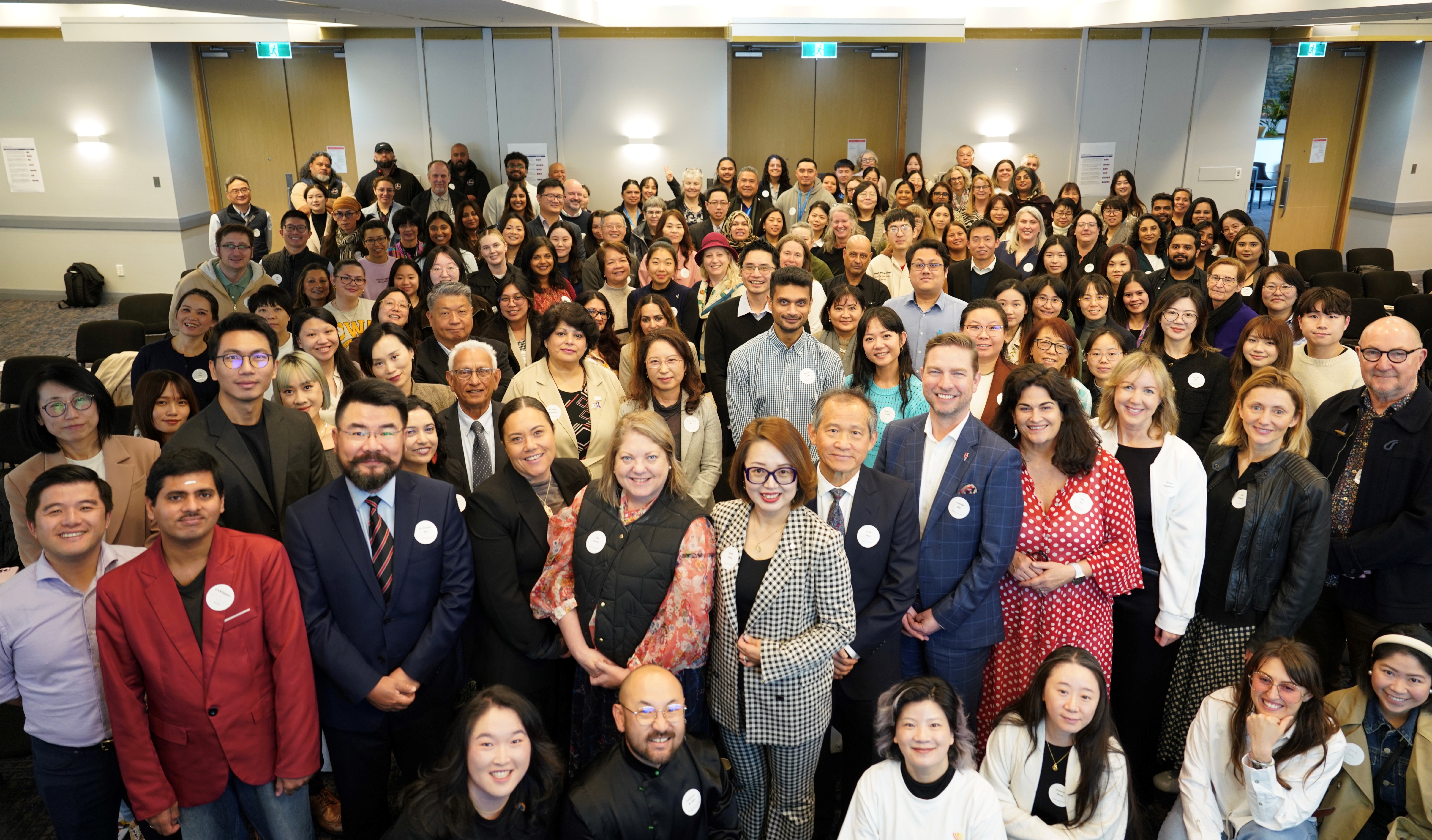
Their stories revealed the reality behind the statistics, and the difference in culturally responsive support can make people feel understood, heard, and supported. They set the tone for a national conversation attended by more than 180 health professionals, policymakers, researchers, educators, funders and community leaders gathered in Auckland to explore how New Zealand can move from recognising Asian mental health and addiction complex needs to delivering meaningful action and measurable impact. The summit was hosted by Asian Family Services under the theme "From Invisible to Impact: Reimagining the Future of Asian Mental Health & Wellbeing."
The challenges highlighted in the client stories were echoed throughout the day by frontline healthcare practitioners, including GPs, counsellors, Health Improvement Practitioners and community health professionals.
Delegates also heard findings from the newly released 2026 New Zealand Asian Wellbeing & Mental Health Report, which found that while mental wellbeing among Asian communities has stabilised following several years of decline, meaningful recovery has yet to emerge. More than half of Asian adults (54.5%) remain at risk of depression, with young adults, women, unemployed respondents and New Zealand-born Asians continuing to experience poorer outcomes than many other groups. Limited awareness of services, privacy concerns and uncertainty about service effectiveness remain significant barriers to seeking support.
Representatives from across the political spectrum participated in the cross-party panel discussion. The conversation focused on a central question: how can growing recognition of Asian mental health and addiction needs be translated into meaningful change? Panelists discussed their priorities, long-term plan in community-led services, support for young Asian New Zealanders, and the measurable outcomes communities should expect to see in the years ahead.
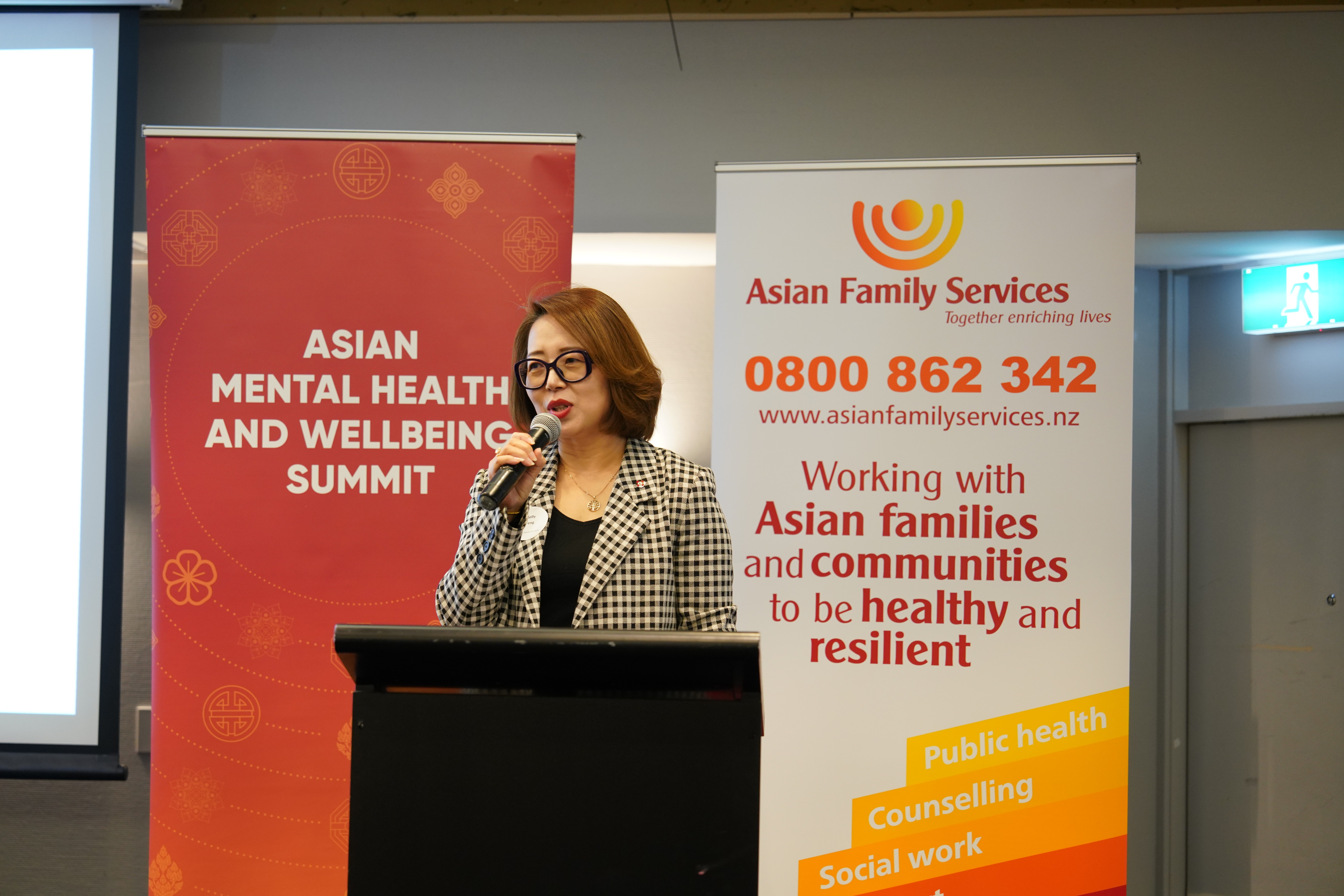
Kelly Feng, Chief Executive of Asian Family Services, said the summit highlighted both the challenges facing Asian communities and the opportunity for collective action.
“This summit represents an important step forward in our collective efforts to improve Asian wellbeing. As we mark the third year of the Asian Mental Health & Wellbeing Summit, we are encouraged to see Asian communities increasingly recognised and included in national mental health and wellbeing strategies. The voices we heard throughout the day, from people with lived experience, frontline practitioners, researchers and community leaders, all shared a common message: visibility must translate into action. We now have an opportunity to build on that progress and ensure Asian communities are reflected in the policies, services and investments that shape New Zealand’s future.”
The summit concluded with a shared commitment to ensuring Asian communities are not only included in conversations about mental health and wellbeing, but are reflected in future policy, investment, service design and accountability frameworks that deliver measurable outcomes for future generations.